
#twopageplustuesday
On longer poems & social media

I haven’t done any statistical analysis to back this up, but I’d be willing to bet the average number of lines for the poems I post on social media is closer to 0 than to 100, or even 50. (Maybe 20.) There’s nothing intrinsically wrong with that: one of the appeals of the poem as a form is that it picks out pieces of writing of infinitely varietal lengths, from the monostich to the haiku to the sonnet to the epic and the conceptually-unreadable. Poems, save those in strict forms, don’t come with a line-length requirement: they can be short or they can be long, and often the poet doesn’t know which way they’ll end up until they’re done.
But: I think it’s important to note that social media favors the small poem. And for folks like me, whose primary mode of engagement with contemporary poetry just is social media, that is not without consequences. When I think about what poems I am going to post I often find myself scanning for shorter work, stuff that will fit in a screenshot, and that criterion is definitely not representative of poetry as a whole. So today I am trying something, which may not succeed but that’s okay: I am going to find a poem to post each Tuesday that requires two or more pages to show itself to the world, and I am going to invite other people to do the same.
If you follow me on social media, you can probably already make out the coattails this initiative is riding: in October 2023 I posted about #smallpoemsunday, a similar invitation to post small poems of any stripe. I am very, very grateful to everyone who has shared a small poem on #smallpoemsunday, one they’ve written themselves or one they just love by another poet, and this thing I’m trying today is in no way meant to disparage or (pardon me) minimize the small poem as a form. I think small poems require a tremendous amount of skill and inventiveness to execute successfully, and every time I read a small poem that really works I am grateful to the powers that be for having granted humanity the ability to experiment with language in probabilistically-parseable context windows. But the way the algorithm favors the short poem opens up a gigantic lacuna that I think puts us at risk of not seeing (much less appreciating) the contributions to the genre that run long — and not just epics, but also those poems that unspool for a decent scroll or a few printed pages, and are better for it.
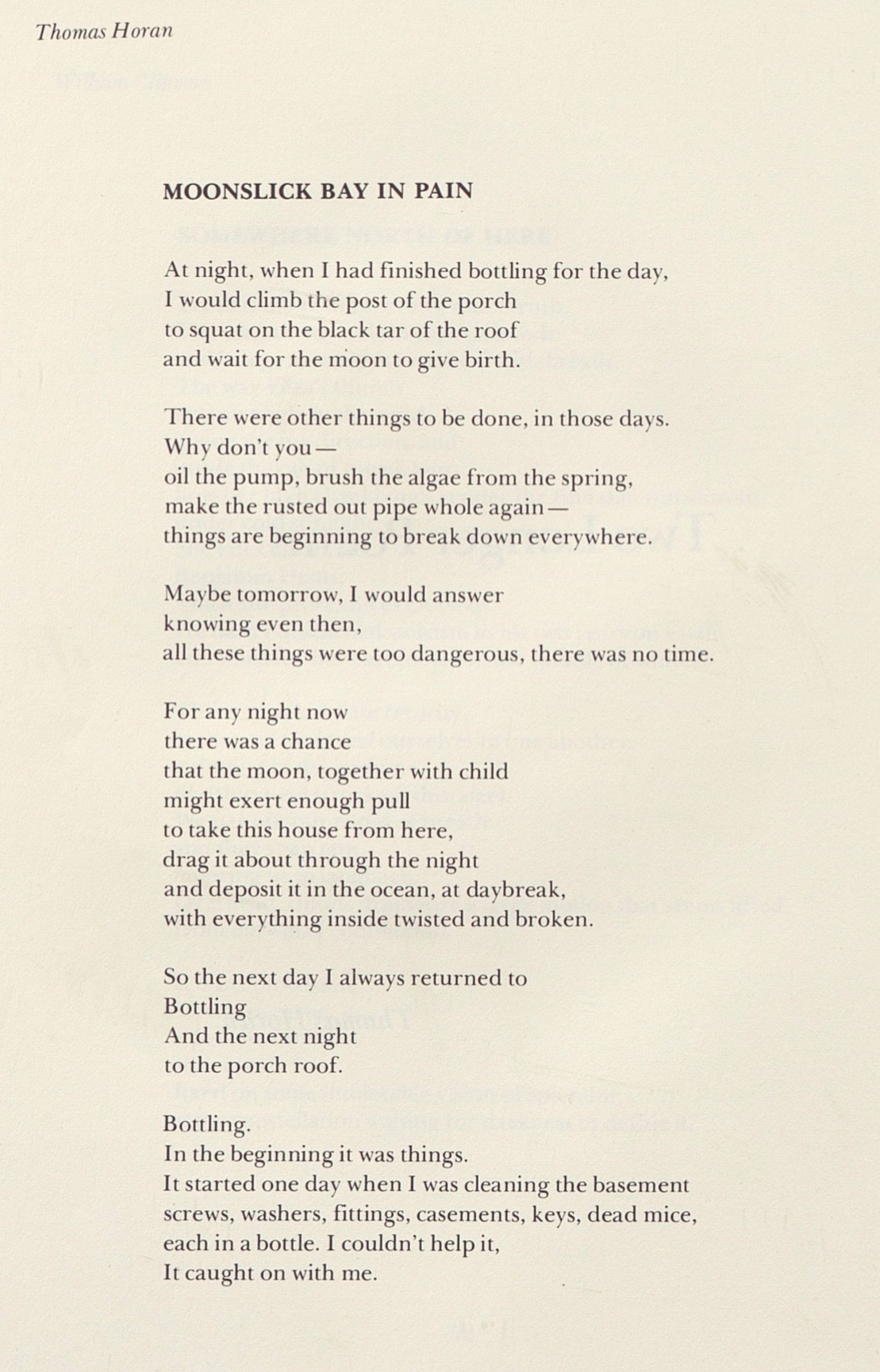
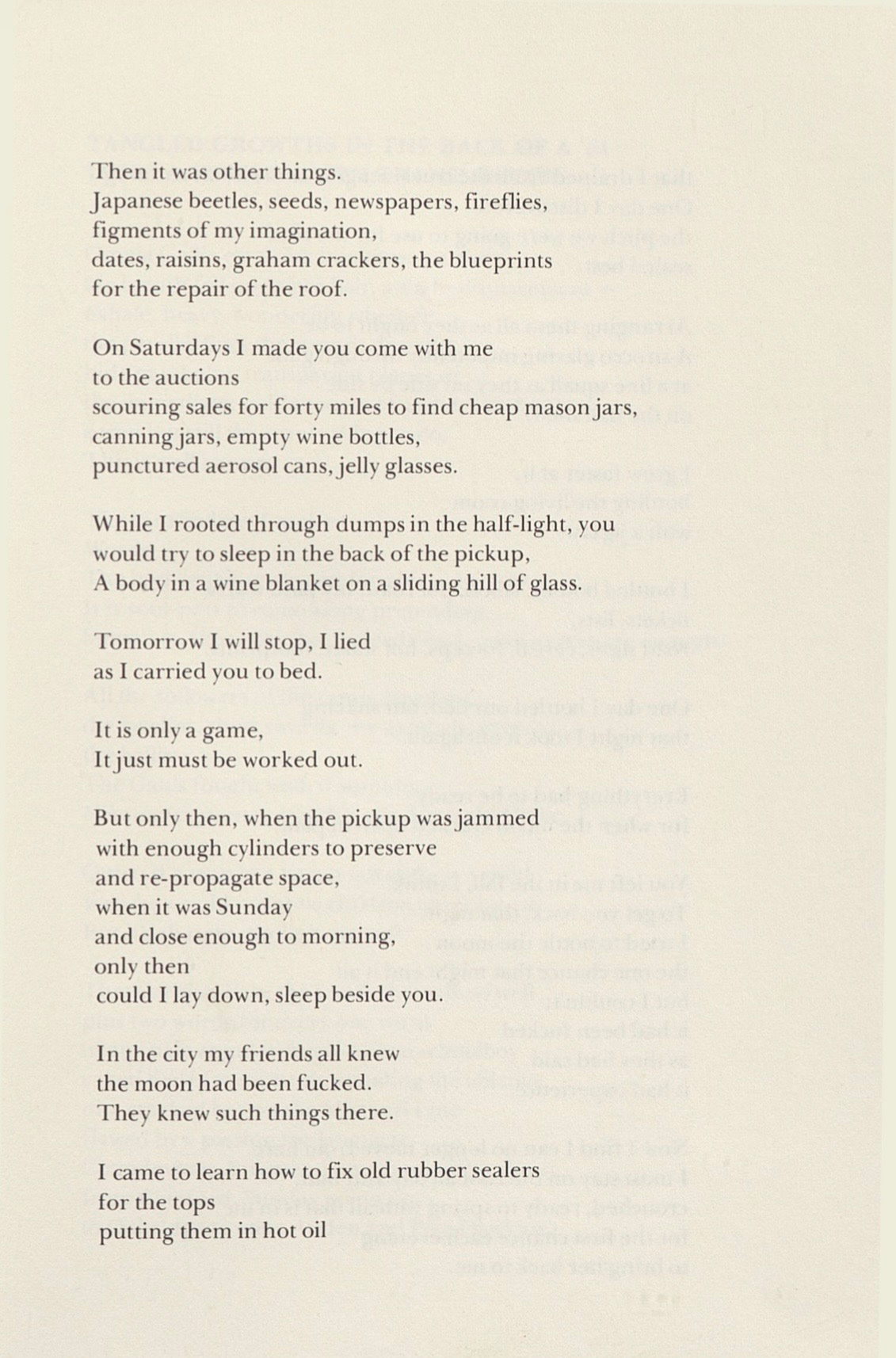
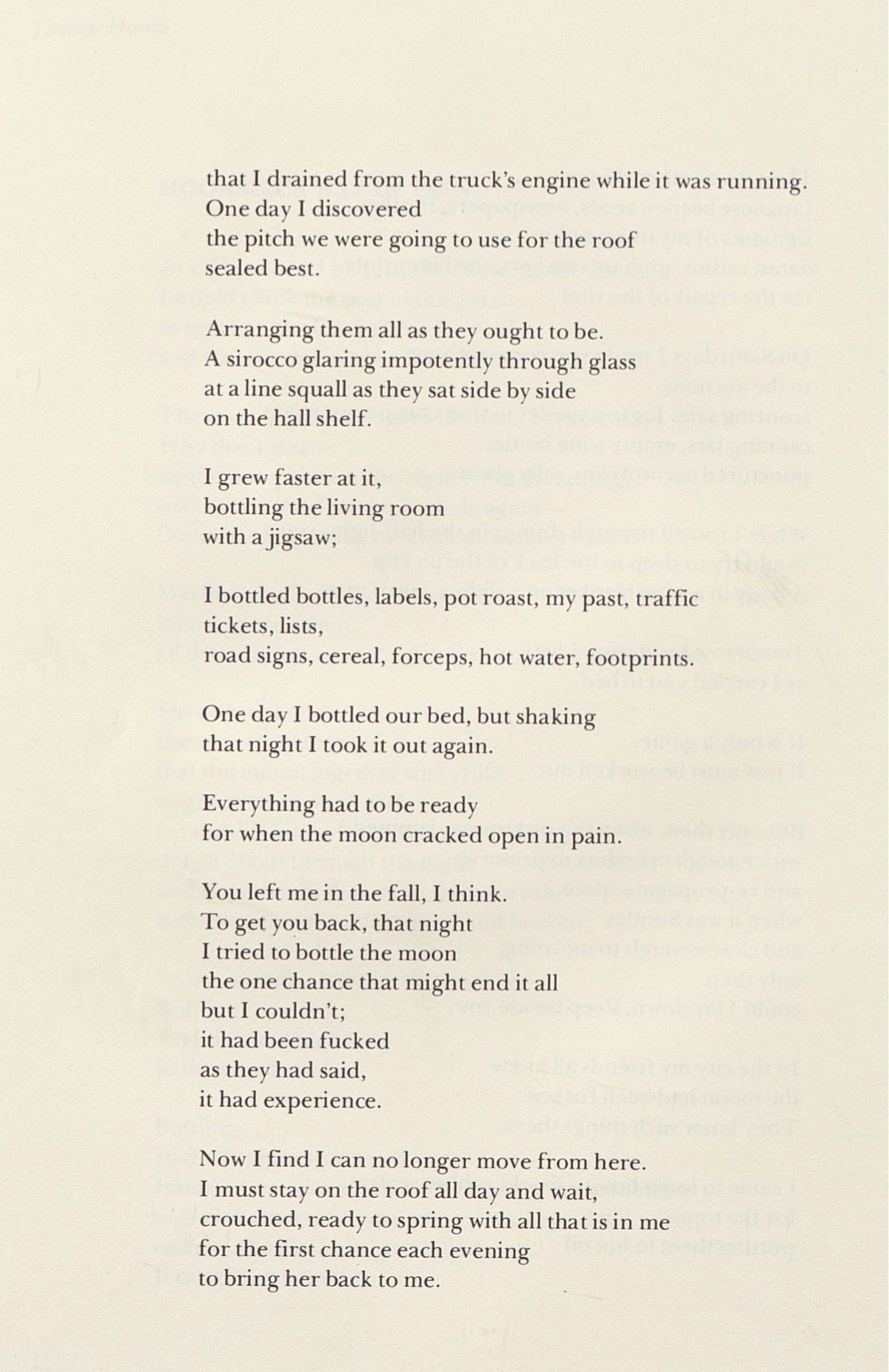
So today I am sharing a new-to-me poem by a new-to-me-poet, Thomas Horan. “Moonslick Bay in Pain” has a killer title and leans into its three-page,-91-line length to make use of devices like motif and characterization that are much blunter instruments in the smaller canvases of shorter poems. I hope you like this poem as much as I do, and I hope you might consider looking around for your favorite poem that stretches past the single page to share for #twopageplustuesday.
You can read the other of Horan’s Two Longer Poems for free here.
Was just thinking about this very issue, Tom! Love this new idea, though for me, it will definitely be challenging given I never feel leisurely enough on social media to read something of length that requires more attention. for some reason, the feed is always nipping at my heels.
Way to go Tom! Keep percolating with authenticity and you will be followed. Bravo!